English
 русский
 Español
 Deutsch
Product Series
Industrial Double Stack Dryer Manufacturers


Kingstar Energy-Saving Dryers feature a 10-inch full-color high-definition touchscreen design and incorporate a leading intelligent drying system. They can store up to 99 drying programs, all of which are editable to accommodate different types of garments and linens based on specific requirements.
Utilizing a dual-door opening system (top and bottom access) with a generous door diameter of 1 meter, loading and unloading towels becomes exceptionally time-saving and effortless. The dryer drum is constructed entirely from 304 stainless steel. Its volumetric capacity follows a 1:20 load ratio design principle. This large-capacity drum significantly enhances the drying efficiency for both clothing and linens.
Kingstar dryers implement multiple energy-saving technologies, ensuring not only reduced energy consumption but also superior operational efficiency. They incorporate high-power heating elements combined with an added insulation layer around the outer drum. This facilitates rapid temperature rise, minimizes heat loss during operation, reduces overall energy expenditure, and effectively maintains optimal temperature within the drum – all contributing to heightened drying efficiency. Furthermore, the excellent thermal insulation safeguards electrical components and extends the service life of parts. The axial air intake design ensures hot air travels a longer path through the drum interior, maximizing heat utilization efficiency. Advanced intelligent humidity control technology precisely manages drying duration, effectively preventing both under-drying and over-drying scenarios. This results in fluffy, soft towels and garments while simultaneously lowering the dryer’s energy consumption.
All components and spare parts used in Kingstar Industrial Dryers are of premium quality, guaranteeing outstanding operational stability and extended equipment lifespan. Customers can choose from three distinct heating methods to suit their infrastructure: steam heating, electric heating, or gas heating.
Kingstar Industrial Dryers are available in a comprehensive range of capacities from 40kg to 120kg. Additionally, a 100kg front-tilting model is offered, featuring a forward-tilting discharge mechanism for even easier unloading. Kingstar Industrial Dryers are extensively utilized across diverse facilities including laundries, central laundry plants, and industrial & mining enterprises. They have received unanimous customer praise for their high efficiency, significant energy savings, and exceptionally user-friendly operation.
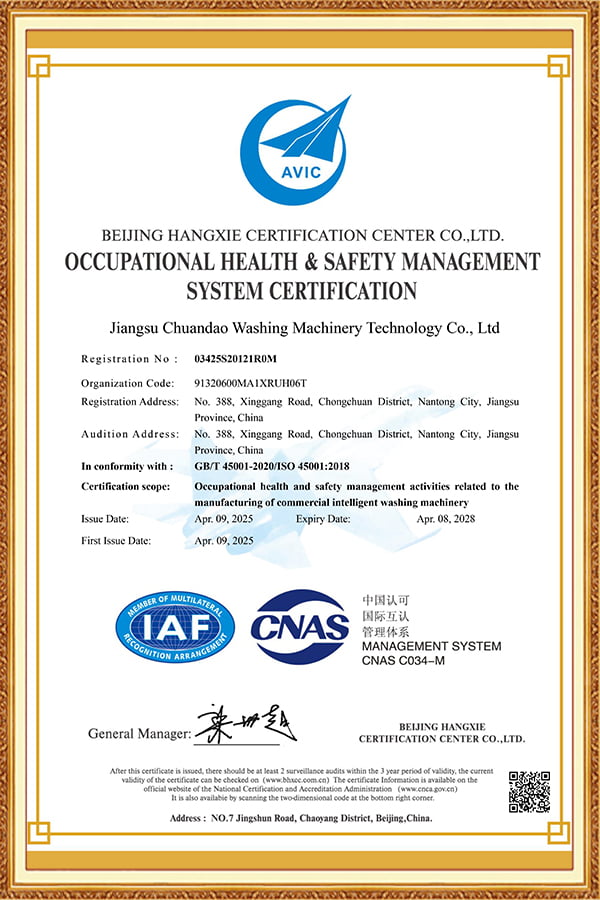
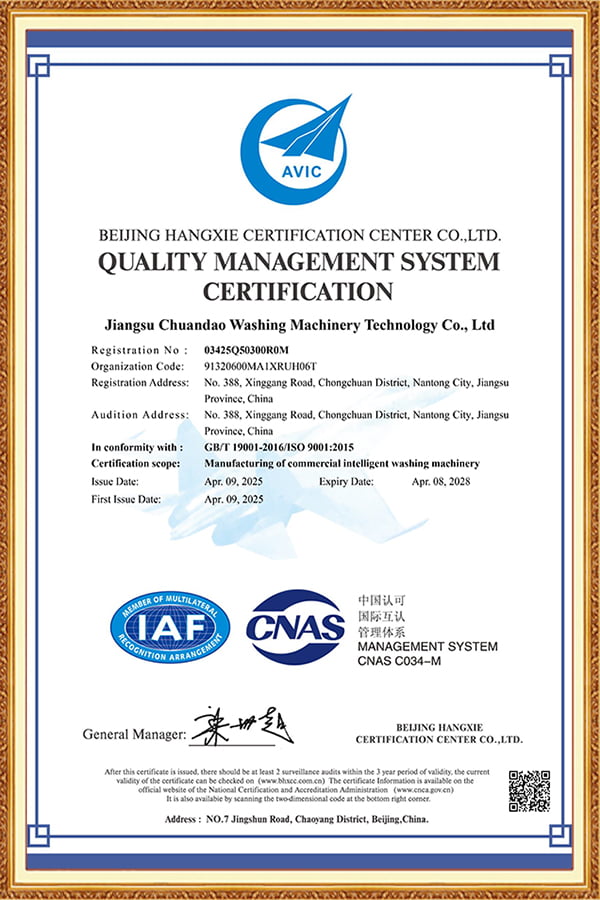
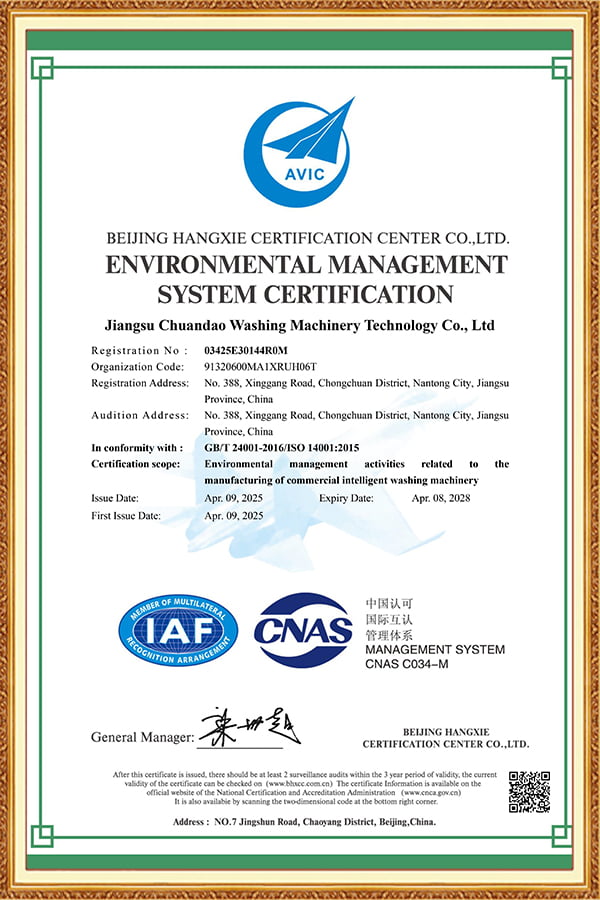
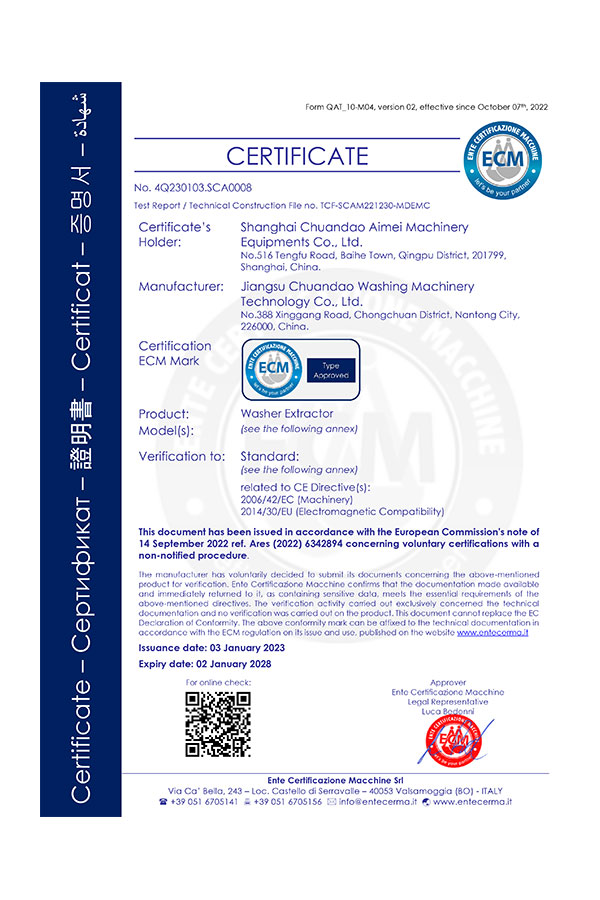
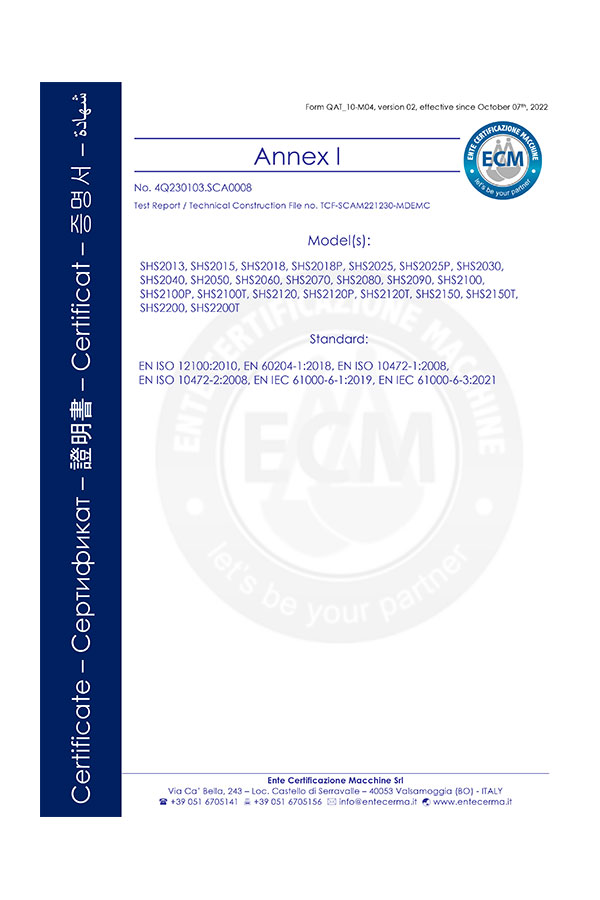
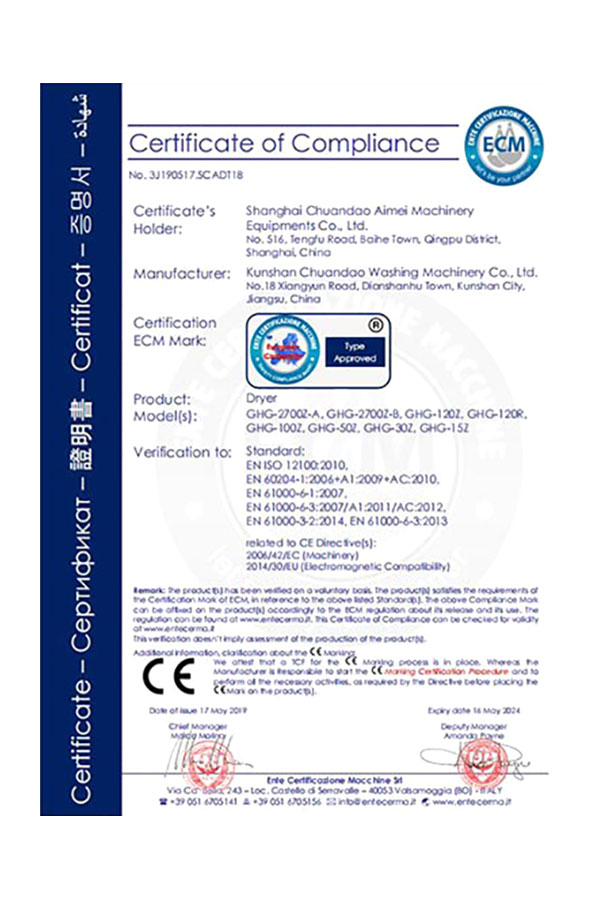
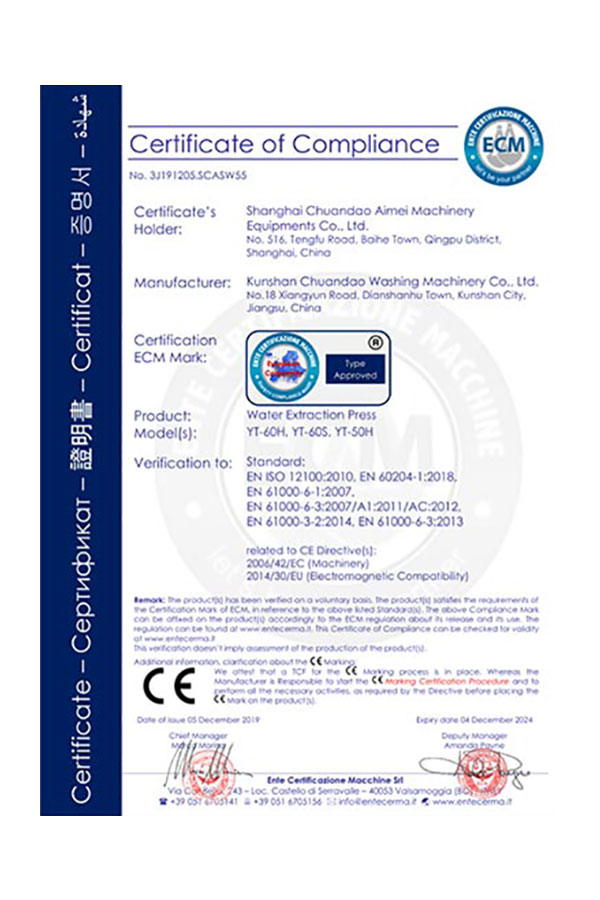
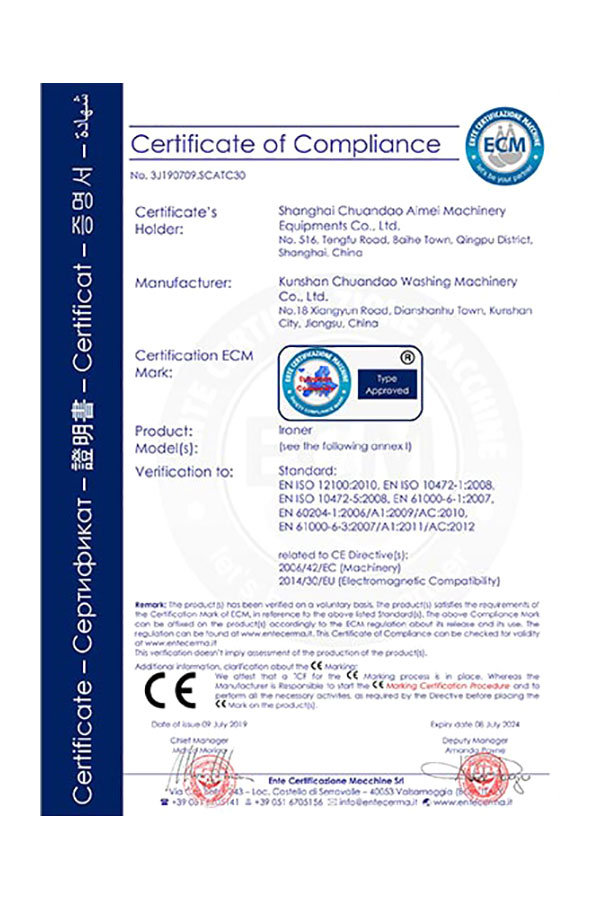
Honor & Qualification
Choose comes from trust, and cooperation
comes from honesty.
About us
Craftsman spirit, excellence, quality products are the bridge to the world!
Kingstar is a premium brand, offering top-tier high-end equipment. For over 20 years, we carefully selected and updated our material suppliers and technology. We aim to be the best in the industry internationally and offer more to clients who rely on us for their business.
We hold the leading status in the laundry manufacturing industry in China after 25+ years of experience.

NEWS
Message Feedback
Industry Knowledge Expansion
1.Evolution of Washer and Dryer Technology: Advancements and Innovations
The rise of smart features: While washers and dryers of the past relied primarily on mechanical controls, modern devices take full advantage of digital technology and sensors. These machines have the intelligence to automatically adjust programs based on load size, clothing type and water temperature. For example, some smart washing machines can remotely monitor, set washing modes and provide post-wash reports through mobile applications, providing users with a more convenient experience.
Trends in energy conservation and environmental protection: Washing machine and dryer manufacturers are committed to improving the energy efficiency ratio of their equipment. They use advanced technology and design. For example, front-loading washing machines are designed to be more energy-saving, and high-efficiency transmission systems reduce energy losses. In addition, some dryers also use heat pump technology, which greatly reduces energy use.
Increased Versatility: The versatility of modern washers and dryers has increased significantly. Some devices have multiple washing modes and drying options, such as quick wash, energy-saving mode, wool/silk dedicated mode, etc. Some smart washing machines also have sterilization and steam functions, which can improve washing performance and clothing quality.
2.The Role of Washer and Dryer Efficiency in Environmental Sustainability
Energy Saving and Water Management: Modern washers and dryers effectively reduce energy and water consumption through various innovative technologies. For example, front-loading washing machines use less water to complete the washing task, and the faster centrifugal process reduces drying time, thereby reducing energy consumption.
Extended Equipment Life and Recycling: Manufacturers design their washers and dryers to extend their life and provide structures that are easier to repair. At the same time, some components are also made from recyclable materials to reduce waste generation.
Environmental Standards and Certifications: Manufacturers of washers and dryers are increasingly considering environmental standards and certifications as important aspects of product development and promotion. Some devices receive Energy Star ratings and certifications to demonstrate their energy and environmental excellence.
3.The Future of Double Stack Dryers: Innovation and Market Trends
As an important component of a washer-drying system, double-deck dryers play a key role in both commercial and residential environments. In the future, these devices will undergo further innovation and development to adapt to changing market needs and technological trends.
Improve efficiency and productivity
Future double-layer dryers will focus on improving efficiency and productivity. As industry demand for faster, more efficient drying continues to grow, manufacturers will begin developing more advanced drying technologies.
Fast Drying Cycles: Manufacturers will focus on technologies that reduce drying times to meet the critical need for efficiency in commercial locations and large-scale laundry facilities. New dryers may use faster, higher temperature drying modes to speed up the entire drying cycle and increase equipment productivity.
Energy-saving heating method: At the same time, energy saving is also a key direction for future dryers. New double-layer dryers may use more energy-saving heating technology, such as using a more efficient heat pump system to use the heat energy in the air for drying to reduce energy consumption.
Intelligence and connectivity
In the future, double-layer dryers will be more intelligent and connected. These devices will integrate more advanced smart functions to provide a more convenient and smarter user experience.
Intelligent control systems: Equipment may be equipped with more advanced control systems that use artificial intelligence and machine learning technology. These systems can learn users' habits and preferences, and automatically adjust drying parameters according to different types of clothing, providing more personalized and accurate drying solutions.
Remote monitoring and management: Another possible trend is the remote monitoring function of equipment. Users can monitor and manage the status of the dryer through smartphone applications or cloud platforms, including functions such as checking drying progress, setting drying modes, and receiving prompts and alarms.
Smart Home Integration: As smart home systems become more popular, future double-layer dryers may be more closely integrated with smart home systems. Users can interact with the dryer through a smart voice assistant or smart home platform to achieve more convenient operation and control.
Environmental innovation and green technology
While pursuing high efficiency, future double-layer dryers will pay more attention to environmental protection innovation and the application of green technology.
Efficient energy-saving technology: Manufacturers will work on developing more efficient drying technologies to reduce energy consumption. The application of heat pump technology will continue to receive attention because of its ability to recover and convert heat energy into the energy required for drying.
Environmentally friendly materials and manufacturing processes: The manufacturing of equipment will use more environmentally friendly materials and green manufacturing processes. This means the use of renewable materials, reduced energy consumption and emissions, and more environmentally conscious production processes.
Environmentally friendly operating mode: Future dryers may be designed with more environmentally friendly operating modes, such as intelligently regulating fan speed and optimizing ventilation design to minimize the impact on the environment.

ADD:No.388 Xinggang Road, Chongchuan District, Nantong City, 226000, Jiangsu Province, China.
-
Phone: +86-13917089379
-
Tel:+86-13917089379
-
Fax:+86-0513-85663366
-
E-mail:louislu@kingstarlaundry.com
products